At What Age Can Kids Eat Halloween Candy?
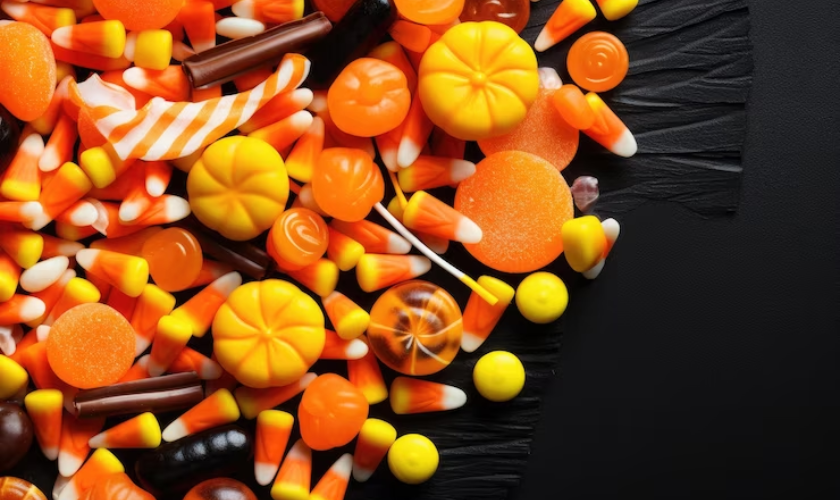
Halloween is just around the corner, and with it comes an abundance of sweet treats that make kids' eyes light up like jack-o'-lanterns. But as parents, we often find ourselves wondering: When is it safe for our little ghouls and goblins to indulge in all that sugary goodness? After all, we want them to have a spooktacular time without any tummy troubles or dental nightmares. In this bone-chilling blog post, we'll explore the age-old question: at what age can kids eat Halloween candy? So grab your broomsticks and join us on this hair-raising journey!
When is it safe for kids to eat Halloween candy?
- As parents, it's only natural for us to want to protect our little ones from any potential harm. When it comes to Halloween candy, the question of safety often arises. So when is it truly safe for kids to indulge in those deliciously spooky treats?
- The answer may vary depending on your child's age and individual health needs. Generally speaking, most experts agree that children under the age of two should avoid eating any kind of candy or sugary snacks. Their developing digestive systems are not yet equipped to handle such foods and can be easily overwhelmed.
- For toddlers and preschoolers, moderation is key. It's important to remember that excessive consumption of sugary treats can lead to tooth decay and other oral health issues. As a general rule, limit their intake and make sure they brush their teeth after indulging in a sweet treat.
- When kids reach school age, around five or six years old, they have better control over their chewing and swallowing abilities. At this stage, they can enjoy small portions of Halloween candy as long as it's done in moderation.
- Every child is different and has unique dietary considerations. If you have concerns about your child's ability to handle Halloween candy safely or if they have specific health conditions like diabetes or allergies, consult with their paediatrician before making any decisions.
- Remember parents: knowledge is power! Educate yourself about the risks associated with too much sugar consumption so that you can make informed choices for your little monsters this spooky season.
What are the risks of eating Halloween candy?
- The excitement of Halloween is often accompanied by the anticipation of indulging in sugary treats. However, it's important for parents to be aware of the potential risks that come with consuming excessive amounts of Halloween candy.
- One risk associated with eating too much candy is tooth decay. The high sugar content in these sweet treats can contribute to cavities and other dental problems if proper oral hygiene isn't maintained. It's crucial for children to brush their teeth thoroughly after enjoying their Halloween loot.
- Another concern is the impact on overall health. Consuming large quantities of sugary candies can lead to weight gain and an increased risk of developing conditions like obesity and diabetes. It's essential for parents to monitor their child's intake and encourage a balanced diet throughout the holiday season.
- Additionally, some candies may pose choking hazards, particularly for younger children who may not have fully developed chewing and swallowing skills. Parents should carefully inspect all Halloween candy before allowing their kids to indulge, ensuring that any small or hard pieces are removed from the mix.
- While it's certainly enjoyable to partake in traditional trick-or-treating activities, there are also alternative options available that reduce the risks associated with excessive candy consumption. Consider organizing a fun costume party where healthier snacks and treats can be enjoyed alongside more modest portions of candy.
- By being mindful about portion sizes, maintaining good oral hygiene practices, and offering alternatives when possible, parents can ensure that their kids stay safe while still enjoying the spirit (and sweets) of Halloween!
What are some alternatives to eating Halloween candy?
1. Non-Food Treats: Instead of handing out traditional candy, consider offering non-food treats like stickers, temporary tattoos, small toys, or mini colouring books. These options can be just as exciting for kids and provide a fun alternative to indulging in sugary sweets.
2. Homemade Snacks: Get creative in the kitchen and whip up some homemade snacks that are healthier than store-bought candies. You could make fruit skewers with chunks of melon and berries or bake granola bars using natural sweeteners like honey or maple syrup.
3. Halloween-Themed Activities: Organize festive activities that don't revolve around consuming excessive amounts of sugar. Set up a pumpkin decorating station where kids can get crafty with paints and glitter or host a spooky scavenger hunt in your backyard.
4. Healthy Candy Swaps: If you still want to include some sweet treats, opt for healthier alternatives such as dark chocolate-covered fruits or nuts, organic lollipops made from real fruit juice, or natural gummy candies without artificial additives.
5. Focus on Fun Costume Ideas: Encourage children to embrace the spirit of Halloween by putting together imaginative costumes instead of solely focusing on the candy aspect. Engaging their creativity will shift their attention away from excessive snacking.
How can parents make sure their kids are safe this Halloween season?
- Halloween is an exciting time for kids, but it's important for parents to prioritize their children's safety during this festive season. Here are some tips to ensure a safe and enjoyable Halloween experience for your little ones.
- First and foremost, make sure that the costumes are safe and comfortable. Opt for flame-resistant materials and avoid masks that obstruct vision or create breathing difficulties. Bright colours or reflective tape can also be added to increase visibility when trick-or-treating at night.
- Supervision is key when it comes to trick-or-treating. Accompany young children while they go door-to-door, and establish clear rules about staying together as a group. Remind them not to enter any stranger's house or accept homemade treats from unknown sources.
- Checking the candy haul is another essential step in keeping kids safe on Halloween night. Inspect all treats before allowing your child to indulge in them - look out for any signs of tampering or unusual packaging. Discard anything suspicious or unwrapped.
- Consider alternatives to traditional candy-filled loot bags. Non-food items like stickers, small toys, or temporary tattoos can be just as exciting for kids without the sugar overload! Additionally, hosting a Halloween party with healthier snack options can be a great way to celebrate while still being mindful of nutrition.
- Teach your children about road safety during Halloween festivities. Remind them to use crosswalks, look both ways before crossing streets, and stay on well-lit paths whenever possible.
- By following these precautions and creating a fun yet safe environment for your little ghosts and goblins this Halloween season, you'll ensure peace of mind while still embracing the spirit of the holiday!
As we navigate the excitement of Halloween and the abundance of candy that comes with it, it's important to consider our children's health and safety. While there is no specific age at which kids can start eating Halloween candy, it is essential for parents to make informed decisions based on their child's individual needs.
When deciding if your child is ready for Halloween candy, be aware of the risks associated with excessive sugar consumption. Too much sugar can lead to tooth decay, weight gain, and other health issues. It may also contribute to hyperactivity in some children. Moderation is key when indulging in sweet treats.
If you're looking for alternatives to traditional Halloween candy, consider non-food options like small toys or stickers. These can still provide a fun experience without the added sugar intake. Additionally, organizing activities such as pumpkin carving or costume contests can divert attention away from solely focusing on candy.
To ensure your child's safety this Halloween season, be mindful of potential allergens present in certain candies. Always read labels carefully and educate yourself about common food allergies so that you can safeguard against any allergic reactions.
Furthermore, supervise your child while they enjoy their treats and encourage them not to consume too much at once. This will help prevent overindulgence and promote healthy habits surrounding sweets.
Remember that every child is different and what works for one may not work for another. As a parent or caregiver, trust your instincts and make choices that prioritize your child's well-being above all else.
So whether it's enjoying an occasional piece of candy or exploring alternative ways to celebrate Halloween without excessive sugar intake, find a balance that works best for your family.
We are here to help you and support you with all of your oral health needs. If you think you could have dental problems call our Phoenix Dentist office today. We are always happy to answer any questions you have and can schedule you for a visit.
September 11th, 2023